
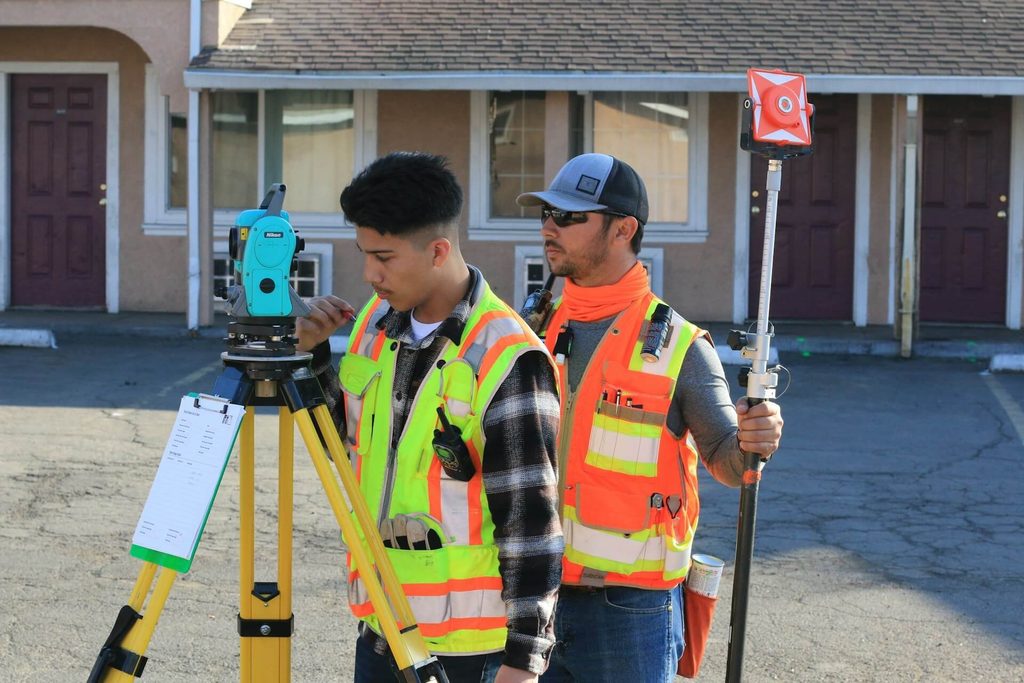
When buying a house, you need to know exactly where the property lines are and whether anything could affect how you use the land. A neighbor’s fence or driveway may cross onto the property, or an easement may limit where you can build. These issues may not be obvious during a home inspection or property viewing.
So, do you need a land survey when buying a house? Not every purchase requires one, but a survey can identify property issues before you finalize the transaction. We’ll explain when a survey is necessary, what it reveals, how much it costs, and when to schedule one during the buying process.
Do You Need a Land Survey Before Buying a House?
A land survey isn’t legally required for every home purchase. However, your mortgage lender, title insurance company, or local requirements may require one. You should also consider a survey if property boundaries are unclear or you plan to make improvements after you buy the home.
A residential land survey establishes property boundaries using recorded documents, physical evidence, and field measurements. Depending on its scope, it can also identify structures, easements, and improvements that cross property lines.
At Padula Engineering, we recommend determining whether you need a survey early in the buying process. This gives you time to review the findings and address any concerns before closing.
What Does a Land Survey Reveal About a Property?
A land survey can show more than a residential lot’s dimensions. It can identify conditions that affect property ownership, access, and future construction plans.
Property Boundaries and Lot Dimensions
A boundary survey establishes property lines using deeds, recorded plans, boundary markers, and field measurements.
This helps determine whether existing fences, driveways, and other improvements are positioned within the property’s boundaries. It’s particularly useful for older properties or lots without clearly visible boundary markers.
Easements and Property Access
An easement grants another party certain rights to use a portion of the property. Common examples include utility easements and shared driveway access.
A survey can show the location of easements identified in the relevant property records. Knowing where these areas are located helps you understand potential restrictions on construction or property use.
Encroachments and Existing Structures
An encroachment occurs when a structure or improvement extends across a property boundary. Examples include a neighbor’s fence, shed, or driveway crossing onto the land you’re purchasing.
A survey can reveal these conditions before closing. You can then discuss any concerns with the seller, your real estate attorney, or other appropriate professionals.
When Should You Get a Land Survey Before Buying a House?
Whether you need a survey depends on the property, transaction requirements, and your plans after purchasing the home. Three situations deserve particular attention.
When Your Lender or Title Company Requires One
Some mortgage lenders and title insurance companies request a survey before closing. Their requirements vary by property and transaction type.
Ask whether a new survey is required or whether an existing one will be accepted. Confirming this early helps you plan for the cost and completion time.
When Property Boundaries Are Unclear
A survey is useful when boundary markers are missing, property lines are disputed, or neighboring improvements appear close to the boundary.
It establishes the measured locations of the property lines, giving you reliable information to review before purchasing the home.
When You Plan to Improve the Property
Planning to install a fence, build a garage, add a swimming pool, or expand the house? A survey can help you determine where improvements can go in relation to property boundaries and easements.
Our article on when you need a land survey before starting a construction project explains how surveying fits into the project planning. You must also review local zoning and setback requirements before construction.
Can You Buy a House Without a New Land Survey?
Yes. You can often purchase a house without commissioning a new survey if your lender, title company, and applicable requirements permit it.
The seller might already have a survey available. However, don’t assume an older survey accurately reflects the property’s current condition. Fences, additions, and other improvements may have been installed since it was prepared.
A licensed land surveyor can help determine whether the existing survey is suitable or if updated fieldwork is necessary. A home inspection or title search doesn’t replace the measurements and boundary information a survey provides.
How Much Does a Residential Land Survey Cost?
Residential land survey costs depend on the property’s size, location, terrain, available records, and boundary complexity. Larger properties, irregular lot shapes, and missing boundary markers can increase the amount of work required.
The survey type also affects pricing. A boundary survey establishes property lines, but a survey that documents buildings, elevations, and other site features may require additional fieldwork.
At Padula Engineering, we offer residential land surveying services in Pennsylvania, New Jersey, and Delaware. We can review your property details and the type of survey needed to provide an estimate based on the work involved.
Who Pays for a Land Survey When Buying a House?
The buyer typically pays for a new survey, but responsibility depends on the purchase agreement and the parties’ negotiations.
Some sellers provide an existing survey, and certain transactions include arrangements for the seller to pay for updated surveying work.
Discuss the survey requirement and who pays for it with your real estate agent or attorney before finalizing the purchase agreement. This helps prevent uncertainty about who will arrange and pay for the work.
When Should You Schedule a Survey During the Homebuying Process?
Schedule a land survey early enough for the results to be reviewed before closing. If possible, arrange it during the due diligence period specified in your purchase agreement.
A survey may reveal an encroachment, an easement, or a boundary discrepancy requiring further review. Identifying these matters before the relevant contractual deadlines gives you time to discuss possible solutions with the seller and your real estate professionals.
Survey timelines vary based on the property’s complexity, the availability of records, and the surveyor’s workload. Contacting a surveyor soon after your offer is accepted can help avoid unnecessary scheduling pressure.
Get a Residential Land Survey From Padula Engineering
A land survey isn’t mandatory for every home purchase, but it can clarify property boundaries, identify encroachments, and provide useful information for future improvements. Whether you need one depends on the property and your purchase requirements.
Padula Engineering provides professional land surveying services across Pennsylvania, New Jersey, and Delaware. We can help you determine the right survey for your property and provide the information you need before you proceed with your plans.
Contact Padula Engineering to discuss land surveying for your home purchase and request an estimate.